
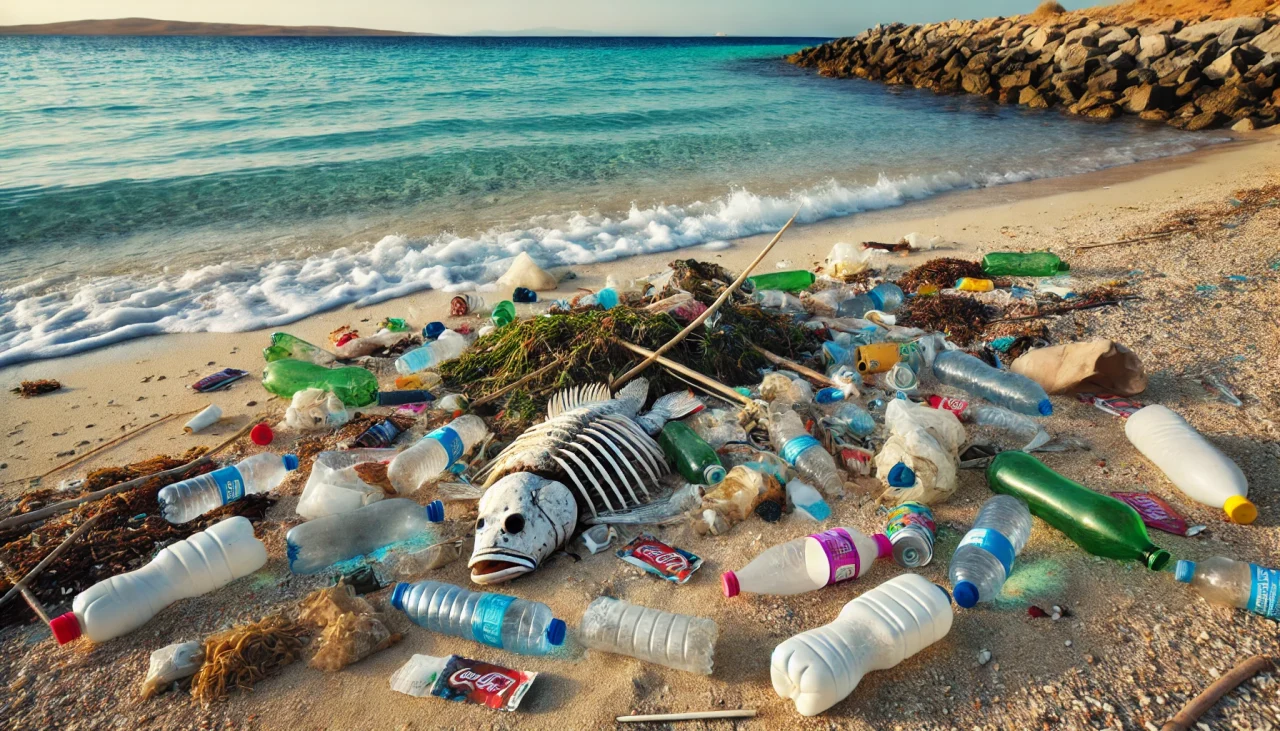
With its implementation stated for the end of January 2025, there are concerns regarding the harsh economic impact of single-use plastics (SUPs) ban in Lagos State. There are claims that the ban would lead to a monthly economic loss of about N500 billion and over 1 million job losses in the state. Others argue that the long-term economic impact of the ban is still uncertain and would depend on various factors, including the effectiveness of enforcement, the availability of affordable alternatives, and government’s support for affected businesses.
Single-use plastics, also known as disposable plastics, are plastic items designed to be used only once before being discarded. These include items like, styrofoam, plastic bags, straws, plastic cutlery, soda and water bottles, and most food packaging.
The commitment of the Lagos State Government towards an eco-friendly environment is laudable. The banning of SUPs by the Government is aimed at reducing environmental pollution and protecting the health of Lagosians. Apart from serious environmental degradation, there is also evidence that micro plastic particles can now be found in various parts of the human body such as the blood and lungs. Again, harmful chemicals that leach from plastics such as phthalates and bisphenol A have been linked to cause diseases. They include fertility issues, developmental problems, inflammation and even cancer.
Most poor and developing countries often tilt to plastic ban as a strategy to combat environmental problems. The ban of SUPs can potentially lead to a cleaner environment, improve aquatic life, drainage infrastructure, soil fertility and boost tourism. However, this policy is often costly and not totally effective as it is oftentimes linked with job losses and poor policy implementation.
Studies have shown that outright bans on SUPs have not succeeded in many cases. The failure of SUPs prohibition has been linked to inadequate or weak enforcement, limited green alternatives, lack of public awareness, limited waste management infrastructure and poor stakeholder commitment. In Rwanda for instance, the ban led to black market sales and smuggling of these contraband plastics from neighbouring countries. Also, the high costs of purchasing environmentally friendly alternatives and the unnecessary resources spent on the monitoring, enforcement, evaluation and assessment of the policy, negatively affected the ban strategy.
Plastic Taxation: A Proven Alternative
Plastic taxation on the other hand is a strategy adopted by developed nations and has been effective in reducing plastic waste generally. Several countries, including England, Ireland, the Netherlands, China, the Philippines, and Australia, have demonstrated that a plastic fee or levy is effective in reducing the use of plastic bags.
Taxes generally increase the price of plastics thereby affecting consumer behaviour, and causing less demand for the product. Furthermore, taxing plastic manufacturers can encourage innovation in the creation of sustainable alternatives and create jobs. Revenue generated from these taxes can also serve as funding for improving waste management infrastructure, research and promoting sustainability programs.
Nevertheless, despite the significant advantages, plastic taxation is not without its pitfalls. Inadequate waste management system and unwillingness of the concerned stakeholders to pay levies can impact on this approach.
A Hybrid Strategy for Lagos State
As a sustainability advocate, I am of the opinion that a hybrid strategy combining both a plastic ban and implementing an adequate taxation policy is the most sustainable solution for Lagos State. This would mean that while the State Government implements the ban on SUPs as proposed, reusable plastics should be accordingly taxed. This approach would complement the ban by using revenue generated from the taxes to encourage the creation and use of eco-friendly options.
To address the broader plastic pollution crisis, it is essential to invest in a robust recycling infrastructure. establishment of proper disposal and collection centers is crucial to ensure efficient management of plastic waste
In addition, there should be wide-spread public education and enlightenment regarding the plastic menace and solutions. An effective communication and collaboration is necessary to ensure the success of the approach.
Conclusion
Ultimately, the outcome of any policy, whether an outright ban, taxation, or a combination of both. It will depend on the government’s capacity to implement, enforce, and manage it effectively. A well-executed hybrid strategy, supported by adequate infrastructure, public engagement, and stakeholder collaboration, can create a path toward a more sustainable Lagos State.